
Low Back Pain? Why Acupuncture Is Worth Considering
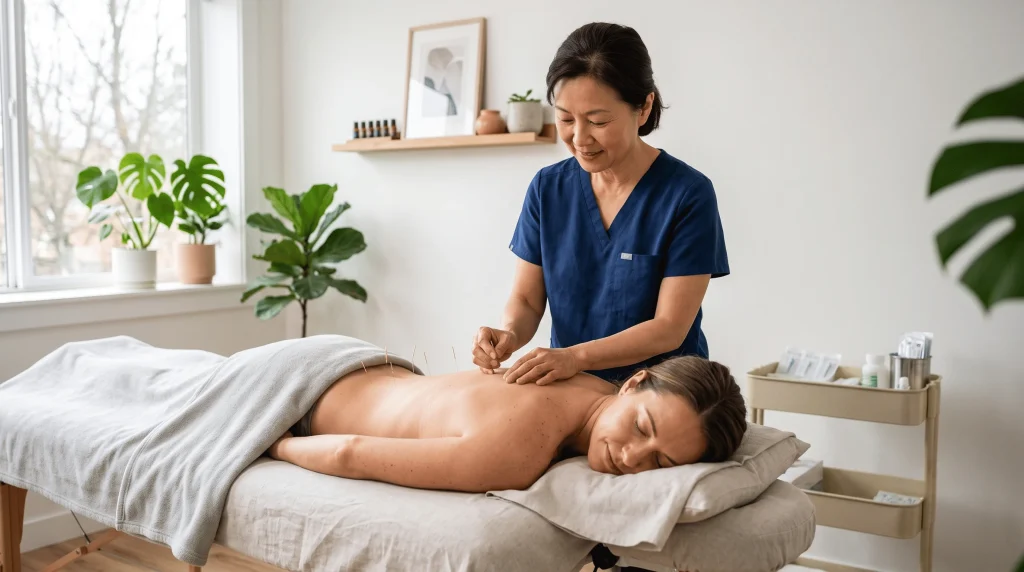
Low Back Pain? Why Acupuncture Is Worth Considering Low back pain is one of the most common reasons people seek healthcare, and it’s one of the conditions I frequently see in my practice. For many people, it can affect work performance, sleep, physical activity, and overall quality of life. Most low back pain is not caused by a serious injury. In fact, it often results from a combination of muscle tension, reduced movement, stress, poor sleep, repetitive strain, and other lifestyle factors. This is why there is rarely a single “quick fix” and why an individualized approach can make a meaningful difference. Symptoms of low back pain may include: Aching, sharp, burning, or dull pain Stiffness, especially after sitting or lying down for long periods Muscle tightness in the lower back, hips, or glutes Pain that changes with movement, posture, activity, or rest Reduced mobility or difficulty with daily activities Pain that may extend into the glutes or legs While these symptoms describe how low back pain presents, TCM looks deeper into the unique patterns behind them. The quality of the pain, what aggravates or relieves it, and the person’s overall health picture all help guide an individualized treatment approach. How TCM Understands Low Back Pain Traditional Chinese Medicine (TCM) looks beyond where the pain is located to distinguish between the root and the branch. The root is the underlying pattern contributing to the condition, while the branch refers to how it presents in the body. A TCM assessment considers your overall pattern of health. During your treatment, your practitioner will likely ask about your stress levels, sleep quality, digestion, energy, activity level, previous injuries, and other seemingly unrelated symptoms. These details help identify patterns that guide treatment. In TCM, low back pain is understood through patterns of imbalance, such as disruptions in the flow of Qi and Blood, or patterns involving the body’s functional systems. The Kidney system, in particular, is traditionally associated with the health and strength of the lower back. These traditional concepts differ from biomedical diagnoses, but they provide a framework for delivering individualized care. This means that two people with similar back pain may receive different acupuncture treatments based on their unique presentation. What the Evidence Says About Acupuncture’s Effectiveness for Low Back Pain Acupuncture is one of the most extensively researched non-drug treatments for low back pain. Hundreds of clinical trials and numerous systematic reviews have evaluated its effectiveness. Research suggests acupuncture can reduce pain and improve function in both acute and chronic low back pain, with the strongest and most consistent evidence supporting its use for chronic low back pain. As a result, acupuncture is included as a treatment option in several national and international clinical practice guidelines, including those from the American College of Physicians. In Canada, acupuncture is recognized as an evidence-informed, non-drug treatment option for low back pain. Research shows that acupuncture influences pain regulation by acting on the nervous system, stimulating the body’s natural pain-relieving chemicals (such as endorphins), and reducing pain sensitivity. Although these mechanisms differ from the traditional TCM concepts of Qi and Blood, they help explain why acupuncture can be beneficial for low back pain from a biomedical perspective. Acupuncture Offers More Than Pain Relief Beyond pain relief, acupuncture can help support the recovery process. When pain is reduced, even modestly, people often find it easier to exercise, return to activities they enjoy, and break the cycle of pain, stiffness, and inactivity. Acupuncture is most effective when it is part of a comprehensive plan that includes movement, strength training, restorative sleep, stress management, and understanding the root cause contributing to your low back pain. Research also shows that acupuncture influences autonomic nervous system activity, helping regulate the balance between sympathetic (“fight or flight”) and parasympathetic (“rest and digest”) responses. Regular treatments can help regulate the body’s stress response over time, which may help explain why many people experience a sense of calm after treatment and why acupuncture can support recovery beyond pain relief alone. Is Acupuncture Worth Exploring? No single treatment works for everyone, but for people with persistent or recurring low back pain, acupuncture offers a safe, evidence-informed option that can help reduce pain and improve function. In my clinical practice, some people experience immediate, noticeable pain relief while for others improvement is more gradual. This reflects the TCM principle of treating both the root and branch: the symptoms you are experiencing and the underlying patterns that may be contributing to them. The goal of acupuncture is not simply to reduce pain, but to support recovery, improve function, and help you move with greater confidence and return to the activities that matter most. If you’re curious whether acupuncture is right for you, I’d love to help. Please reach out to me with your questions, or book your appointment with me here. Lien Pham, R.Ac Registered Acupuncturist | 130 Spadina Ave., Suite 808, Downtown Toronto | Dr. Erin Madonia Family Chiropractic Dr. Erin Madonia has been providing chiropractic care to the King West neighbourhood since 2014, specializing in safe and effective relief of spinal complaints while optimizing central nervous system function. To learn more or schedule an appointment, contact us at dr.erin.madonia@gmail.com or visit our office at 130 Spadina Ave, Suite 808, Toronto. For more information, you can book a free consultation or schedule an appointment with us by clicking the buttons down below 👇 Book a Free Consultation Book an Appointment References & Additional Reading World Health Organization Guideline on Chronic Low Back PainWorld Health Organization. 2023.Evidence-based recommendations for managing chronic low back pain, including non-surgical treatment approaches such as acupuncture. Neural Mechanism Underlying Acupuncture AnalgesiaZhao ZQ. Progress in Neurobiology. 2008;85(4):355–375.A review of the neurophysiological mechanisms involved in acupuncture analgesia, including modulation of pain sensitivity and activation of endogenous pain-relieving pathways. American College of Physicians Clinical Practice Guideline: Noninvasive Treatments for Acute, Subacute, and Chronic Low Back Pain Qaseem A, Wilt TJ, McLean RM, Forciea MA. Annals of Internal Medicine. 2017. This guideline includes
Acupuncture and Cupping in Toronto for Stress Relief
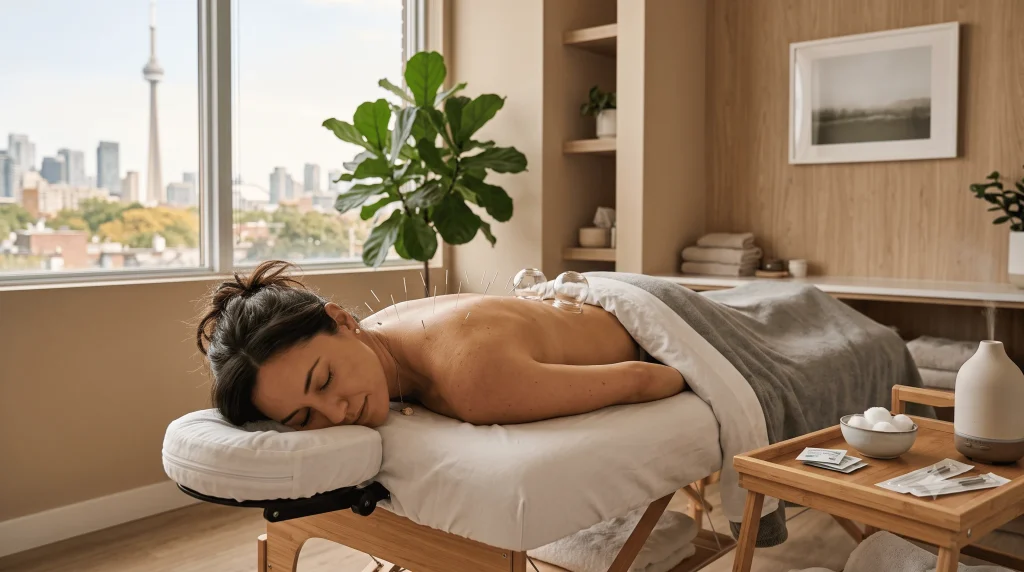
Why Toronto Professionals Are Turning to Acupuncture and Cupping for Stress and Pain Relief? If you’re used to waking up tired, powering through your day on caffeine, sitting through back-to-back meetings, answering emails late into the evening, and somehow still can’t fall asleep when your head finally hits the pillow, you are not alone. Working in downtown Toronto can be extremely demanding and the constant pressure can take a toll on your health. Many people don’t realize how much stress they’ve been carrying until it starts showing up physically; through neck and shoulder tension, back pain, jaw tightness, headaches, poor sleep, fatigue, anxiety, or that “tired but wired” feeling. As a Registered Acupuncturist trained in Traditional Chinese Medicine (TCM), I help people manage the effects of chronic stress and reconnect with a greater sense of well-being. Having spent many years working in the corporate world myself, I understand the pressures that come with demanding careers. Acupuncture became an important part of my own journey through work-related stress, and I experienced firsthand how it can support both physical and emotional well-being. In my acupuncture practice at Dr. Erin Madonia Family Chiropractic, many people come in with a familiar set of symptoms: tight shoulders, neck pain, back pain, tension headaches, poor sleep, fatigue, weight gain… the list goes on. While these symptoms may seem unrelated, they’re often connected by one common factor: chronic stress. A major benefit of acupuncture is that it can help regulate cortisol and adrenaline, our primary stress hormones, that can recalibrate your stress response over time. Through clinical practice, I’ve discovered that a combination of acupuncture and cupping therapy can be one of the most effective treatment options available for chronic stress. Here’s what research says about why this pairing works so well: Stress Affects Your Mind and Body When you’re under pressure for long periods of time, your body shifts into a heightened state of alertness. Deadlines, meetings, emails, long workdays, and endless notifications can lead to elevated stress hormones and increased sympathetic nervous system activity, the body’s “fight-or-flight” response. Over time, this can affect much more than your mood. Stress often shows up physically as muscle tension, headaches, jaw clenching, digestive issues, poor sleep, and fatigue. This is where acupuncture can help. Research shows that acupuncture can help regulate the body’s stress response and support your nervous system balance. Many patients describe feeling calmer, sleeping more deeply, and experiencing a sense of relief they haven’t felt in months. It’s often the first opportunity they’ve had to truly slow down. Why Cupping Complements Acupuncture While acupuncture helps calm the nervous system, cupping works directly on the physical tension that accumulates in the body. If you spend most of your day sitting at a desk, chances are you’ve experienced tight upper back and shoulders, stiff neck, aching lower back, or tension headaches. Cupping uses gentle suction to lift and decompress the muscle tissue, helping improve circulation and release areas of chronic tightness. Many patients notice improved mobility and reduced tension immediately after a treatment. Research has shown that cupping therapy may help reduce pain and improve physical function in people with chronic musculoskeletal conditions, making it a valuable tool for addressing the physical effects of stress and repetitive postures. Why Acupuncture and Cupping Work Better Together Acupuncture and cupping don’t do the same thing, they complement each other. Acupuncture helps regulate the body’s stress response and encourages relaxation. Cupping helps release the muscle tension and physical restrictions that often develop as a result of stress. When used together, they address both sides of the equation: the nervous system and the body. For busy professionals with limited time, this combination can be an efficient way to support recovery, reduce tension, and improve overall well-being without relying solely on medications or temporary fixes. My goal is to create a treatment experience that is both effective and deeply relaxing. By listening to your symptoms, addressing the root cause of imbalance, and providing personalized care, I can support your body’s natural ability to heal and help you feel more like yourself again. If you’re curious whether acupuncture is right for you, I’d love to help. Acupuncture and cupping in Toronto for stress relief Feel free to reach out to me with your questions or book your appointment with me here (I also work alongside 3 amazing Chiropractic Doctors!) Dr. Erin Madonia has been providing chiropractic care to the King West neighbourhood since 2014, specializing in safe and effective relief of spinal complaints while optimizing central nervous system function. To learn more or schedule an appointment, contact us at dr.erin.madonia@gmail.com or visit our office at 130 Spadina Ave, Suite 808, Toronto. For more information, you can book a free consultation or schedule an appointment with us by clicking the buttons down below 👇 Book a Free Consultation Book an Appointment
Choosing Cosmetic Acupuncture Over Quick Beauty Fixes
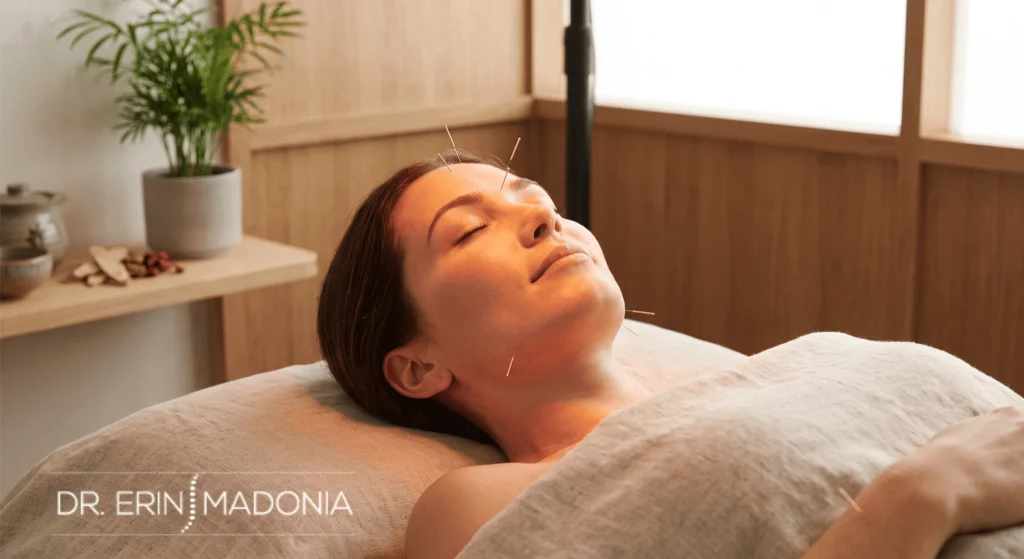
Looking refreshed without looking like you’ve had something “done” is the new beauty goal. The focus has shifted away from chasing perfection towards looking healthy, energized, and authentically yourself. Between demanding careers, endless screen time, stress, and busy social lives, our faces can often reveal how we’re feeling long before we’ve come to terms with it ourselves. While injectables and skincare can certainly have their place, more people are discovering that Cosmetic Acupuncture (also known as facial acupuncture or facial rejuvenation) is a natural alternative that supports both appearance and overall well-being, and it’s been practiced in China since 221 BC. Unlike treatments that simply target wrinkles, cosmetic acupuncture takes a whole-body approach to helping you look and feel your best. Begin Beneath the Surface In Traditional Chinese Medicine, your skin is considered a reflection of your internal health. Factors like stress, sleep quality, digestion, hormonal balance, and blood circulation all influence your complexion. Rather than treating the face in isolation, a cosmetic acupuncture treatment includes points on both the face and body. This holistic approach is designed to support your body’s natural balance while also addressing visible signs of aging and fatigue. Think of it less as a cosmetic procedure and more as a wellness treatment with beauty benefits. The Natural Glow One of the reasons people are drawn to cosmetic acupuncture is that the results are subtle and natural. The goal isn’t to change your face, it’s to help you look like the most rested, vibrant version of yourself. Many people seek cosmetic acupuncture to support: A brighter, more radiant complexion Improved skin tone and texture Softer appearance of fine lines Reduced facial puffiness Better circulation to the skin A healthier overall glow Results typically develop gradually over a series of treatments (typically beginning with 10 weekly) making the changes look effortless rather than dramatic. Cosmetic Acupuncture can Feel Deeply Relaxing Modern life places a lot of demands on us. Long workdays, tight deadlines, poor sleep, and constant digital stimulation can contribute to muscle tension, dull skin, breakouts, and a tired appearance. One of the unique benefits of cosmetic acupuncture is that many people find the treatment itself deeply relaxing. While research continues to explore the mechanisms behind acupuncture, many patients report feeling calmer, sleeping better, and experiencing reduced stress after sessions. When your body feels more balanced, your skin often reflects that too. We don’t focus only on cosmetic concerns. During your initial treatment, I ask questions about: Sleep quality Energy levels Digestion Stress Hormonal health Lifestyle habits These factors can all influence skin health according to Traditional Chinese Medicine principles. By supporting your overall wellness alongside your cosmetic goals, treatments aim to promote healthy skin from the inside out. Prevention Is the New Anti-Aging Many people in their late 20s, 30s and 40s aren’t trying to erase decades of aging, they’re looking to maintain healthy skin before deeper lines appear. Cosmetic acupuncture fits well with this preventative mindset. Instead of waiting until signs of aging become more pronounced, many clients incorporate treatments into their self-care routine to support healthy circulation, skin vitality, and overall wellness. It’s less about turning back the clock and more about helping your skin age gracefully. Working Synergistically with Your Existing Routine Cosmetic acupuncture doesn’t have to replace your skincare routine, it can complement it. Whether you’re already investing in quality skincare, wearing sunscreen daily, staying active, or focusing on nutrition, cosmetic acupuncture can become another part of a comprehensive wellness plan. Many people appreciate that it aligns with a lifestyle focused on long-term health rather than quick fixes. Self-Care That Doesn’t Feel Superficial For many, wellness isn’t just about looking good, it’s about feeling better. Setting aside an hour to unplug, relax, and invest in yourself can have benefits beyond your skin. Cosmetic acupuncture offers a chance to slow down in a world that’s constantly asking us to speed up. Whether you’re preparing for a big presentation, recovering from a stressful season, or simply prioritizing your health, the treatments can become part of a broader commitment to self-care. Is Cosmetic Acupuncture Right for You? If you’re looking for a natural approach to supporting healthy, radiant skin while also prioritizing your overall well-being, Cosmetic Acupuncture is worth exploring. It’s generally considered very safe and minimally invasive, especially compared to surgical facelifts or injectables. I add Celluma Red Light Therapy to every treatment because I want you to experience the best results. Acupuncture stimulates the skin from the inside out to trigger repair, while Celluma Red Light boosts that process at the cellular level. If acne is your concern, Celluma Blue Light is used to help manage acne-causing bacteria. In today’s world, beauty isn’t about looking younger than everyone else, it’s about looking healthy, confident, and like yourself. The most effective beauty routine starts with taking care of your whole body. Dr. Erin Madonia has been providing chiropractic care to the King West neighbourhood since 2014, specializing in safe and effective relief of spinal complaints while optimizing central nervous system function. To learn more or schedule an appointment, contact us at dr.erin.madonia@gmail.com or visit our office at 130 Spadina Ave, Suite 808, Toronto. For more information, you can book a free consultation or schedule an appointment with us by clicking the buttons down below 👇 Book a Free Consultation Book an Appointment