
Acupuncture for Anxiety and Burnout: A Natural Approach for Toronto’s Busy Professionals

If you live and work in Toronto, you know the pace. Long commutes, back-to-back meetings, never-ending notifications, and the constant pressure to perform — it all adds up. Anxiety and burnout have become near-universal experiences for professionals across the city, from Bay Street to King West. And while talk therapy, medication, and lifestyle changes all have their place, more Torontonians are turning to a centuries-old solution: acupuncture. But how exactly does acupuncture help with anxiety and burnout? And is there real science behind it — or is it just a wellness trend? Let’s break it down. What Is Burnout — And Why Is It So Common in Toronto? Before diving into the technology, it’s worth understanding why posture correction has become such a critical concern. The average person now spends over seven hours per day looking at screens, whether working at a computer, scrolling on a smartphone, or watching television. This sedentary, forward-leaning lifestyle has created an epidemic of what some healthcare professionals call “tech neck” and rounded shoulder syndrome. Traditional chiropractic care has always addressed these issues through spinal adjustments, exercises, and patient education. However, chiropractors have historically faced a significant limitation: they only see patients for brief appointments, usually once or twice per week. What happens during the other 166 hours of the week has remained largely a mystery, relying on patient self-reporting, which can be unreliable or incomplete. Enter Wearable Posture Technology Burnout isn’t just being tired. The World Health Organization officially recognizes it as an occupational phenomenon characterized by emotional exhaustion, increasing cynicism toward your work, and a growing sense that you are no longer effective in your role. Anxiety often walks hand in hand with it — a persistent sense of dread, racing thoughts, difficulty sleeping, and a body that feels permanently on edge. Toronto, as Canada’s largest metropolitan hub and one of North America’s most competitive cities, is fertile ground for both. A 2023 Ipsos survey found that nearly half of Canadian workers reported feeling burned out — a number that has only grown since the pandemic reshaped the boundaries between work and life. The result? A growing segment of the city’s workforce quietly suffering, often without a clear path forward. How Acupuncture Works for Anxiety and Burnout Acupuncture is a core component of Traditional Chinese Medicine (TCM) that involves the gentle insertion of ultra-thin, sterile needles into specific points on the body. From a TCM perspective, anxiety and burnout occur when the body’s vital energy — called Qi (pronounced “chee”) — is depleted or blocked. Acupuncture works to restore the smooth, balanced flow of that energy through pathways known as meridians. From a modern biomedical standpoint, research suggests acupuncture: Stimulates the release of endorphins and serotonin, the body’s natural mood regulators Reduces cortisol levels — the primary stress hormone linked to burnout Activates the parasympathetic nervous system (your “rest and digest” mode), counteracting the chronic fight-or-flight state Improves sleep quality, which is often severely disrupted in people experiencing anxiety and burnout What Does the Research Actually Say? The evidence base for acupuncture’s role in mental wellness has grown considerably in recent years. A systematic review published in the journal Acupuncture in Medicine found significant reductions in anxiety symptoms among participants who received acupuncture compared to control groups. Another study published in PLOS ONE demonstrated that acupuncture reduced anxiety symptoms to a comparable degree as cognitive-behavioural therapy (CBT) — one of the gold standards in psychological treatment. For burnout specifically, studies have shown that acupuncture helps regulate the hypothalamic-pituitary-adrenal (HPA) axis — the central system governing your body’s stress response. When this axis is chronically overactivated (as it is during prolonged burnout), your body loses its ability to regulate cortisol effectively. Acupuncture appears to help reset this system, giving your body a better chance at recovery. What to Expect from an Acupuncture Session in Toronto If you have never tried acupuncture before, it is completely natural to feel uncertain. Here is what a typical session at a Toronto integrative health clinic looks like: A thorough intake consultation to understand your symptoms, lifestyle, sleep patterns, digestion, and emotional well-being A customized treatment plan targeting the specific acupuncture points most relevant to your presentation — for anxiety, common points include those along the Heart, Kidney, and Liver meridians Needle retention for 20–30 minutes in a quiet, dimly lit room — many patients fall asleep Post-session recommendations, which may include lifestyle adjustments, herbal support, or breathing exercises Most people feel a noticeable sense of calm after their first session — often described as “the best sleep I’ve had in months.” For lasting results with anxiety and burnout, a course of 6–10 weekly sessions is typically recommended, followed by monthly maintenance treatments. Is Acupuncture Right for You? Acupuncture is a safe, minimally invasive treatment with very few side effects when performed by a licensed practitioner. It works particularly well as part of an integrative approach — meaning it complements, rather than replaces, other forms of care you may already be receiving. It may be especially worth exploring if you: Feel constantly wired but exhausted Struggle with chronic anxiety that doesn’t fully respond to conventional treatment Experience physical symptoms of stress — tension headaches, jaw clenching, digestive upset, heart palpitations Are looking for a natural, drug-free option to support your mental and physical wellbeing Many extended health benefit plans in Ontario now include acupuncture coverage — so it is worth checking your policy before assuming cost is a barrier. Ready to Reset? Book an Acupuncture Appointment in Toronto At Dr. Erin Madonia’s integrative health clinic in Toronto, we take a whole-person approach to your wellbeing. Whether you are navigating the early signs of burnout or dealing with persistent anxiety that
Posture Tracking Devices for Better Chiropractic Treatment

In recent years, wearable technology has transformed from simple step counters into sophisticated health monitoring systems. For chiropractors and their patients, this evolution represents a remarkable opportunity to address one of modern life’s most persistent challenges: poor posture. Smart devices that track posture and activity are creating new pathways for treatment, enabling chiropractors to monitor patient progress between visits and make more informed adjustments to care plans. The Modern Posture Crisis Before diving into the technology, it’s worth understanding why posture correction has become such a critical concern. The average person now spends over seven hours per day looking at screens, whether working at a computer, scrolling on a smartphone, or watching television. This sedentary, forward-leaning lifestyle has created an epidemic of what some healthcare professionals call “tech neck” and rounded shoulder syndrome. Traditional chiropractic care has always addressed these issues through spinal adjustments, exercises, and patient education. However, chiropractors have historically faced a significant limitation: they only see patients for brief appointments, usually once or twice per week. What happens during the other 166 hours of the week has remained largely a mystery, relying on patient self-reporting, which can be unreliable or incomplete. Enter Wearable Posture Technology Wearable posture devices are changing this dynamic entirely. These smart sensors, which can be worn on the upper back, clipped to clothing, or integrated into everyday items like shirts, continuously monitor body position throughout the day. Using accelerometers, gyroscopes, and sophisticated algorithms, they detect when a person slouches, tilts their head forward excessively, or maintains poor posture for extended periods. The technology works by establishing a baseline of proper posture for each individual user. Once calibrated, the device provides real-time feedback through gentle vibrations or smartphone notifications when posture deviates from the ideal position. This immediate feedback creates a powerful learning mechanism, helping patients develop better postural awareness and habits. Real-Time Data for Better Treatment Decisions For chiropractors, the real game-changer isn’t just that patients receive reminders to sit up straight. It’s the wealth of objective data these devices generate. Modern wearable posture trackers can provide detailed reports showing exactly how many hours per day a patient maintains proper alignment, which times of day they struggle most with posture, and how their habits change over weeks and months. This information allows chiropractors to make evidence-based adjustments to treatment plans. For example, if data shows a patient’s posture deteriorates significantly during afternoon work hours, a chiropractor might recommend specific stretches or exercises timed for midday breaks. If someone consistently struggles with posture while using their smartphone, the chiropractor can provide targeted coaching on device ergonomics. The data also helps identify patterns that might not be obvious during in-office assessments. A patient might report that their neck pain is worst in the mornings, but wearable data could reveal that they spend excessive time in poor posture during evening activities, with the cumulative effect manifesting the following day. Enhancing Patient Accountability and Engagement One of the biggest challenges in any healthcare setting is patient compliance with recommended exercises and lifestyle modifications. Wearable technology addresses this by making posture correction feel less like homework and more like an engaging challenge. Many posture-tracking devices include gamification elements, setting daily goals, tracking streaks of good posture days, and providing achievement badges. This approach taps into the same psychological principles that make fitness trackers so popular. Patients become active participants in their own care rather than passive recipients of treatment. Additionally, knowing that their chiropractor will review the data during the next appointment creates a gentle accountability structure. Patients are more likely to pay attention to their posture when they know objective measurements are being recorded. Integration with Comprehensive Treatment Plans The most forward-thinking chiropractic practices are integrating wearable technology data with other assessment tools to create comprehensive treatment approaches. When posture data is combined with information from digital X-rays, range of motion tests, and patient-reported pain levels, chiropractors gain a multidimensional understanding of each patient’s condition. This holistic view enables more personalized care. Two patients might both suffer from cervical spine misalignment, but if their posture data reveals different behavioral patterns, their treatment plans should reflect those differences. One might need more aggressive manual adjustments combined with intensive posture retraining, while another might benefit from a gentler approach focused on ergonomic modifications and gradual habit change. Tracking Long-Term Progress Beyond day-to-day monitoring, wearable technology excels at documenting long-term trends. Chiropractors can review data spanning months to see whether interventions are producing lasting change. This longitudinal perspective is invaluable for demonstrating treatment effectiveness, both to patients and to insurance providers who increasingly demand evidence-based outcomes. Seeing concrete proof of improvement can be incredibly motivating for patients. A graph showing steady increases in good posture hours over a three-month period provides tangible evidence that the effort they’re putting into exercises and adjustments is paying off. Conversely, if data shows stagnation or regression, it prompts important conversations about barriers to progress and potential modifications to the treatment approach. e well-fed with fibre, they produce short-chain fatty acids, particularly butyrate, which has powerful anti-inflammatory properties. These compounds help reduce inflammation not just in your gut, but throughout your entire body, including the tissues around your spine. Most people need 25-35 grams of fibre daily, but it’s important to increase your intake gradually to avoid digestive discomfort. Focus on whole foods like vegetables, fruits, legumes, whole grains, nuts, and seeds. The diversity of fibre sources is just as important as the quantity—different types of fibre feed different bacterial species, so eating a varied diet promotes a more diverse and resilient microbiome. Practical Considerations and Limitations While wearable posture technology offers tremendous benefits, it’s important to acknowledge some practical considerations. Not all patients will be comfortable wearing devices throughout the day, and the technology requires a certain level of digital literacy to use effectively. Cost can also be a barrier, though prices have decreased as the technology has become more widespread. Additionally, chiropractors should view wearable data as one tool among many, not
Standing Desk Ergonomics
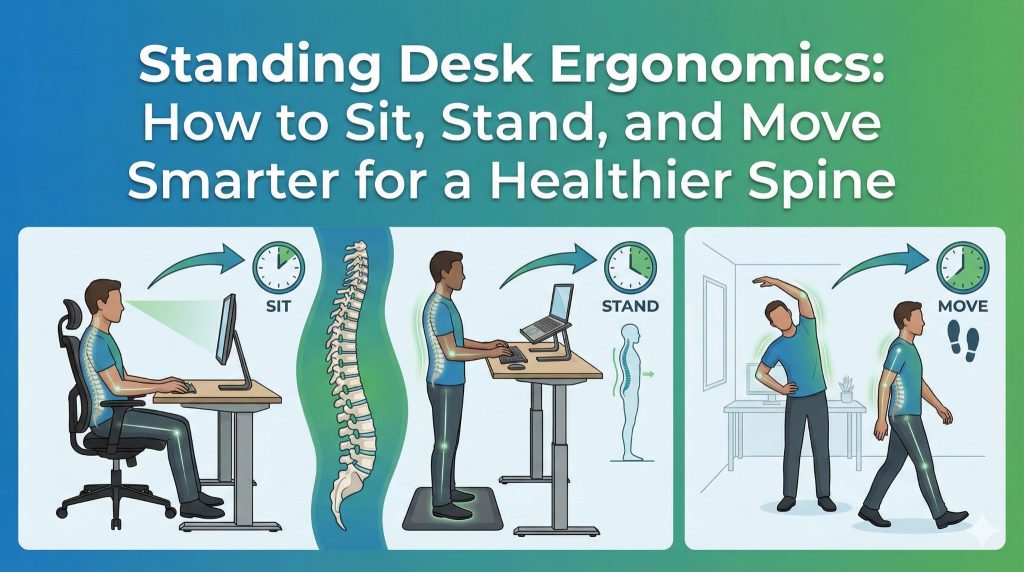
Standing desks have become increasingly popular as more people look for ways to reduce back pain, improve posture, and counteract the negative effects of prolonged sitting. While standing desks can be a powerful tool for spinal health, using one incorrectly can create just as many problems as sitting all day. At Dr. Erin Madonia Family Chiropractic, we emphasize treating the whole body—not just the symptoms. Proper standing desk ergonomics isn’t about choosing between sitting or standing; it’s about movement, balance, and alignment. In this guide, we’ll explore how to alternate between sitting and standing, how to correctly set up your workstation, and how tools like footrests and anti-fatigue mats can reduce strain and fatigue on your nervous system and spine. Why Standing Desks Matter for Spinal and Nervous System Health Your spine plays a critical role in protecting your nervous system, which controls every function in your body. Prolonged static postures—whether sitting or standing—can lead to joint stiffness, muscle imbalances, reduced circulation, and increased pressure on spinal discs. Research shows that alternating positions throughout the day helps: Reduce lower back and neck pain Improve posture and spinal alignment Increase circulation and energy levels Reduce muscle fatigue and joint stress However, simply standing all day is not the solution. Without proper ergonomics, standing desks can contribute to foot pain, hip tension, knee discomfort, and spinal compression. The Golden Rule: Alternate Between Sitting and Standing One of the most common mistakes people make with standing desks is standing for too long. The body thrives on movement, not static positions. Recommended Sit–Stand Ratio A good rule of thumb is: Sit for 30–45 minutes Stand for 15–30 minutes Repeat throughout the day This pattern encourages movement while allowing muscles and joints to recover. Listening to your body is key—if you feel discomfort, it’s a sign to change positions. How to Set Up Your Standing Desk Correctly 1. Monitor Height and Position Incorrect monitor placement is a major contributor to neck and upper back pain. Ideal setup: The top of your screen should be at or slightly below eye level Your monitor should be about arm’s length away Keep the screen directly in front of you to avoid neck rotation This positioning helps maintain a neutral neck posture, reducing strain on cervical joints and surrounding muscles. 2. Keyboard and Mouse Placement Your arms should feel relaxed, not elevated or stretched. Proper positioning: Elbows bent at about 90 degrees Forearms parallel to the floor Wrists neutral (not bent up or down) Poor arm positioning can lead to shoulder tension, wrist pain, and nerve irritation, which may affect your overall comfort and productivity. The Importance of Footrests and Weight Shifting Standing still for long periods places continuous pressure on the lower spine, hips, and legs. Use a Footrest A footrest allows you to alternate placing one foot slightly elevated, which: Reduces pressure on the lower back Encourages subtle spinal movement Decreases hip and leg fatigue Switch feet every few minutes to promote balance and muscle engagement. Anti-Fatigue Mats: Small Tool, Big Impact Standing on hard surfaces for extended periods can lead to foot pain, joint stress, and muscle fatigue. Anti-fatigue mats help by: Absorbing shock Improving circulation Reducing pressure on the knees, hips, and spine Look for mats that are firm but cushioned, offering support without feeling unstable. Posture Tips for Standing Workstations Even with the right equipment, posture matters. Maintain a Neutral Standing Posture Stand tall with ears over shoulders Keep shoulders relaxed, not rounded Engage your core gently Avoid locking your knees Poor standing posture—such as leaning on one hip or slouching forward—can lead to uneven spinal loading and muscular imbalances. There are two types of fibre, and both are important. Soluble fibre, found in foods like oats, beans, apples, and carrots, dissolves in water and helps regulate blood sugar and cholesterol while feeding beneficial gut bacteria. Insoluble fibre, found in whole grains, nuts, and vegetables, adds bulk to your stool and keeps your digestive system moving efficiently. When your gut bacteria are well-fed with fibre, they produce short-chain fatty acids, particularly butyrate, which has powerful anti-inflammatory properties. These compounds help reduce inflammation not just in your gut, but throughout your entire body, including the tissues around your spine. Most people need 25-35 grams of fibre daily, but it’s important to increase your intake gradually to avoid digestive discomfort. Focus on whole foods like vegetables, fruits, legumes, whole grains, nuts, and seeds. The diversity of fibre sources is just as important as the quantity—different types of fibre feed different bacterial species, so eating a varied diet promotes a more diverse and resilient microbiome. Movement Is Medicine: Keep Your Body Active Chiropractic care emphasizes movement as a key factor in spinal health. Simple Desk Movements to Try Gentle spinal twists every hour Shoulder rolls and neck stretches Short walking breaks Calf raises or ankle circles while standing These small movements help keep joints lubricated, muscles engaged, and the nervous system functioning optimally. How Chiropractic Care Supports Desk Workers Even with perfect ergonomics, repetitive daily stress can accumulate in the spine and nervous system. Chiropractic care helps: Improve spinal alignment Restore joint mobility Reduce nerve interference Enhance posture awareness Regular chiropractic adjustments, combined with ergonomic improvements, create a proactive approach to preventing pain rather than simply reacting to it. Final Thoughts: Standing Desks Are a Tool—Not a Cure Standing desks can significantly improve comfort and spinal health when used correctly. The key lies in balance: alternating positions, optimizing ergonomics, and incorporating regular movement throughout the day. At Dr. Erin Madonia Family Chiropractic, we believe that small, consistent changes—both at work and in daily habits—can lead to long-term improvements in posture, nervous system function, and quality of life. If you’re experiencing discomfort despite ergonomic adjustments, a personalized chiropractic assessment can help identify underlying issues and support your body’s natural ability to heal and function at its best. Dr. Erin Madonia has been providing chiropractic care to the King
The Gut-Brain-Spine Connection: How Your Digestive Health Influences Your Nervous System
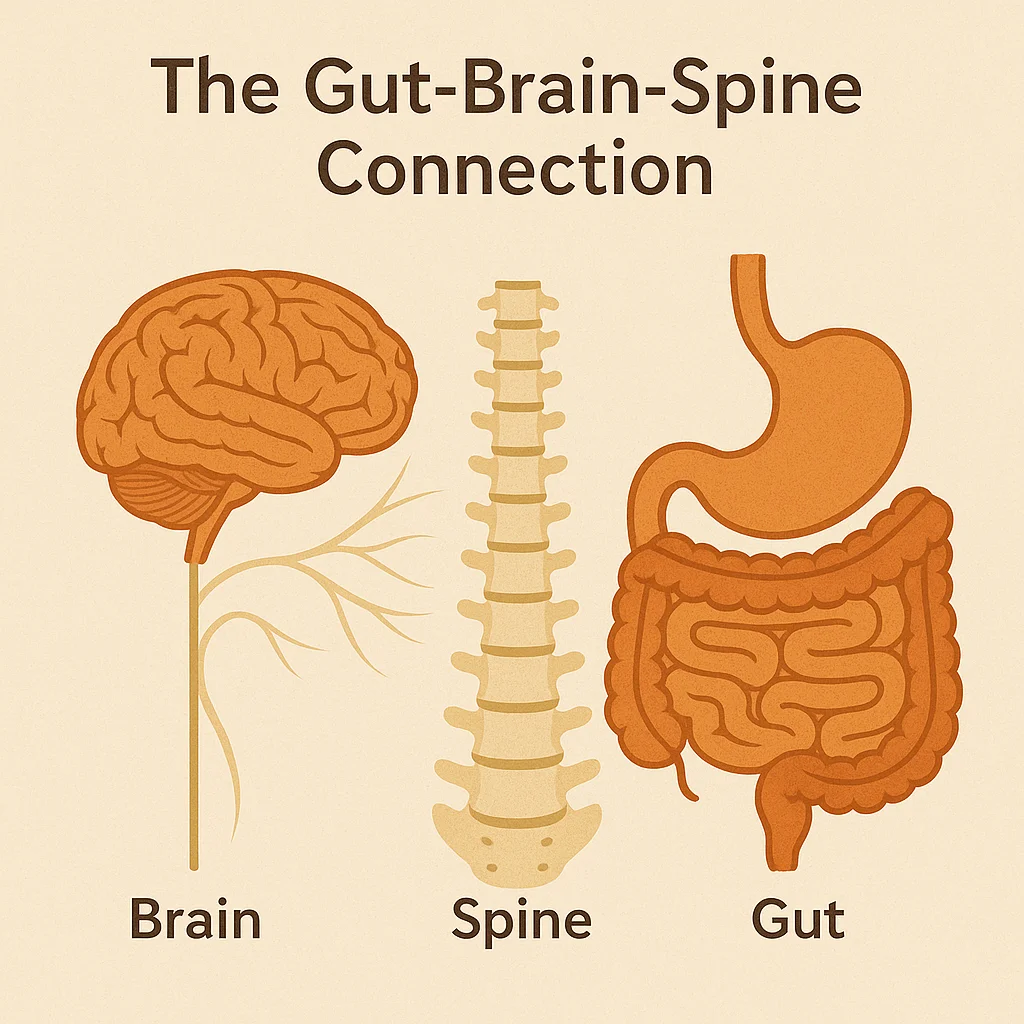
At Dr. Erin Madonia Chiropractic, we believe in treating the whole body, not just the symptoms. One of the most fascinating discoveries in modern health science is the intricate relationship between our gut, brain, and spine—a connection that profoundly impacts our overall wellbeing. Understanding this relationship can revolutionize how we approach spinal health, nervous system function, and quality of life. Understanding the Gut-Brain Axis The gut-brain axis is a bidirectional communication network that links your digestive system with your central nervous system. This isn’t just a metaphorical connection—it’s a physical and chemical highway where information flows constantly in both directions. Your gut contains approximately 500 million neurons, forming what scientists call the enteric nervous system, often referred to as your “second brain.” This extensive neural network communicates directly with your brain through the vagus nerve, one of the longest and most important nerves in your body that runs from your brainstem down through your spine and into your abdomen. What makes this connection even more remarkable is the gut microbiome—the trillions of bacteria, fungi, and other microorganisms living in your digestive tract. These microscopic inhabitants produce neurotransmitters, including serotonin, dopamine, and GABA, the same chemicals your brain uses to regulate mood, sleep, and stress responses. In fact, approximately 90% of your body’s serotonin is produced in the gut, not the brain. The Gut Microbiome’s Role in Spinal and Nervous System Health As a chiropractor, I’ve witnessed firsthand how digestive health influences spinal function and overall nervous system performance. The connection might not be immediately obvious, but it’s profound and multi-layered. When your gut microbiome is balanced and healthy, it produces anti-inflammatory compounds that help reduce systemic inflammation throughout your body, including the tissues surrounding your spine. Chronic inflammation is a significant contributor to spinal discomfort, muscle tension, and impaired nervous system function. An unhealthy gut can trigger inflammatory responses that manifest as increased pain sensitivity, muscle stiffness, and reduced spinal mobility. The vagus nerve, which we mentioned earlier, is particularly important in chiropractic care. This nerve runs directly alongside the spine and plays a crucial role in regulating inflammation, stress responses, and the parasympathetic nervous system—your body’s “rest and digest” mode. When gut health is compromised, vagal nerve function can be impaired, leading to increased muscle tension, particularly in the neck and upper back, and reduced capacity for your body to heal and recover from spinal stress. Additionally, an imbalanced gut microbiome can affect nutrient absorption, particularly B vitamins and magnesium, which are essential for proper nerve function and muscle relaxation. Deficiencies in these nutrients can contribute to increased muscle tension, nerve sensitivity, and a reduced ability to maintain proper spinal alignment. How Digestive Health Affects Your Posture and Pain Perception The gut-brain-spine connection also influences how we experience and respond to pain. When your digestive system is under stress—whether from poor diet, inflammation, or microbial imbalance—it sends distress signals through the vagus nerve to your brain. This can heighten your overall pain sensitivity, meaning that spinal issues you might normally tolerate become more uncomfortable and debilitating. Poor gut health can also affect your posture in surprising ways. Digestive discomfort, bloating, and abdominal tension can cause you to unconsciously alter your posture, creating compensatory patterns that strain your spine, particularly in the lower back and thoracic region. Over time, these postural compensations can lead to chronic misalignments and biomechanical dysfunction. The Three Pillars of Gut-Brain-Spine Balance Maintaining a healthy gut-brain-spine connection doesn’t require complicated interventions. Instead, focusing on three fundamental pillars can create remarkable improvements in both digestive and spinal health. 1. Hydration: The Foundation of Function Water is essential for every system in your body, and both your gut and spine depend heavily on adequate hydration. Your spinal discs are composed of approximately 80% water, and they rely on proper hydration to maintain their height, cushioning ability, and nutrient exchange. When you’re dehydrated, these discs can compress, leading to reduced spinal flexibility, increased susceptibility to injury, and heightened pain responses. For your digestive system, water is equally critical. It helps break down food, facilitates nutrient absorption, and keeps things moving smoothly through your intestines. Adequate hydration also supports the mucous lining of your gut, which protects your intestinal wall and houses beneficial bacteria. Aim for at least eight to ten glasses of water daily, more if you’re physically active or live in a warm climate. A simple way to check your hydration status is to observe your urine color—it should be pale yellow. Dark urine is a sign you need to increase your water intake. 2. Fibre: Fuel for Your Microbiome Dietary fibre is perhaps the most important nutrient for maintaining a healthy gut microbiome. Fibre acts as a prebiotic, meaning it feeds the beneficial bacteria in your gut, helping them thrive and outnumber potentially harmful organisms. There are two types of fibre, and both are important. Soluble fibre, found in foods like oats, beans, apples, and carrots, dissolves in water and helps regulate blood sugar and cholesterol while feeding beneficial gut bacteria. Insoluble fibre, found in whole grains, nuts, and vegetables, adds bulk to your stool and keeps your digestive system moving efficiently. When your gut bacteria are well-fed with fibre, they produce short-chain fatty acids, particularly butyrate, which has powerful anti-inflammatory properties. These compounds help reduce inflammation not just in your gut, but throughout your entire body, including the tissues around your spine. Most people need 25-35 grams of fibre daily, but it’s important to increase your intake gradually to avoid digestive discomfort. Focus on whole foods like vegetables, fruits, legumes, whole grains, nuts, and seeds. The diversity of fibre sources is just as important as the quantity—different types of fibre feed different bacterial species, so eating a varied diet promotes a more diverse and resilient microbiome. 3. Stress Reduction: Calming the Nervous System Chronic stress is one of the most damaging factors for both gut and spinal health. When you’re stressed, your body activates the sympathetic nervous system—the “fight or flight” response. This diverts resources
Nerve Flossing: What It Is and How It Can Help
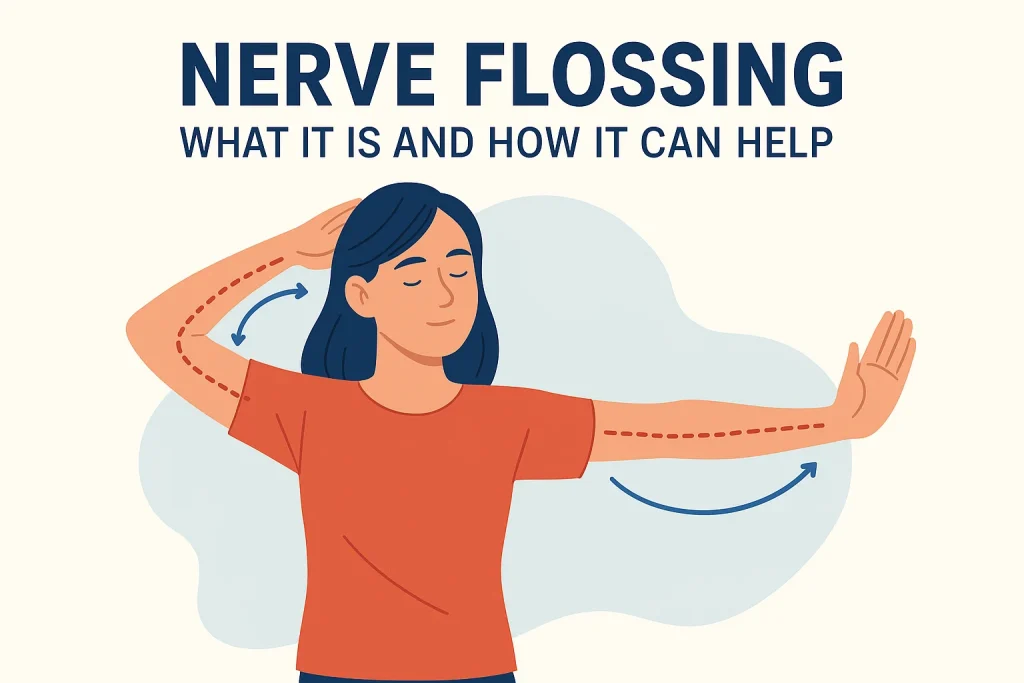
If you’ve ever felt tingling, numbness, or shooting pain down your arm or leg, you may have experienced nerve irritation. While joints and muscles get most of the attention when it comes to mobility, your nervous system also needs to move freely. That’s where a technique called nerve flossing (or nerve gliding) comes in Important Safety Note While nerve flossing can be beneficial, it must be done correctly. Incorrect technique or overuse may worsen symptoms. This blog is for educational purposes only and is not medical advice. Always consult a licensed healthcare practitioner-such as a chiropractor, physiotherapist, or medical doctor-before starting any new exercises, especially if you have nerve pain or numbness. What Is Nerve Flossing? Nerve flossing is a gentle exercise technique designed to improve the mobility of irritated or compressed nerves. Just like a muscle can feel tight, nerves can also become restricted due to surrounding tissues, inflammation, or poor posture. Nerve flossing involves specific, controlled movements that “glide” the nerve through its pathway, helping reduce tension and restore natural mobility. Think of it as giving your nerves more room to move-like sliding a cord back and forth through a protective sleeve Why Does It Work? Healthy nerves should move smoothly as your body bends, stretches, and twists. When that mobility is compromised, you may experience discomfort such as: – Tingling or “pins and needles” sensations – Numbness – Sharp or radiating pain – Weakness in certain muscle groups By gently mobilizing the nerve with flossing movements, you may help: – Improve blood flow to the nerve – Reduce sensitivity and irritation – Relieve pressure from surrounding tissues – Support better function in the muscles the nerve supplies When Is Nerve Flossing Recommended? Nerve flossing may be suggested as part of a broader treatment plan for conditions like: Sciatica Carpal Tunnel Syndrome Cubital Tunnel Syndrome Lumbar or Cervical Disc Herniations It’s important to note that nerve flossing is not a stand-alone fix-it often works best when combined with chiropractic adjustments, soft tissue therapy, strengthening, and postural changes The Chiropractic Connection Chiropractors often recommend nerve flossing as part of a comprehensive care plan. By restoring proper spinal alignment and relieving joint or soft tissue restrictions, chiropractic adjustments can complement nerve mobility exercises-helping you move more freely and comfortably. This blog is for educational purposes only and is not medical advice. Always consult a licensed healthcare practitioner-such as a chiropractor, physiotherapist, or medical doctor-before starting any new exercises, especially if you have nerve pain or numbness. For more information, you can book a free consultation or schedule an appointment with us by clicking the buttons down below 👇 Book a Free Consultation Book an Appointment
Ergonomic Success: 5 Office Tips to Keep Your Spine Happy

More than 80% of people will experience low back pain at some point in their lifetime—and if you’re sitting for hours with poor posture, that risk only increases Repetitive motions like typing, mousing, and phone use can pile on physical strain alongside mental stress. But incorporating effective ergonomic habits into your workday can make a world of difference. Here are five essential tips to protect your back and enhance your comfort. 1. Sit Tall—Honor Your Spine’s Natural Curves Maintaining proper spinal alignment reduces the workload on your muscles and ligaments. Align your ears, shoulders, and hips, sit with your buttocks firmly at the back of the chair, and keep your chest elevated for optimal posture. 2. Adjust Your Chair—Make It Work for You Support your shoulders and lower back using the chair’s backrest—or add a lumbar pillow or rolled towel if needed. Key adjustments include: Seat height: Should be just below your kneecaps when standing. Hip-to-floor angle: Ensure your thighs are parallel to the floor; feet flat, knees level with or slightly below your hips. Armrests: Adjust so your elbows bend at about 90°, or remove them if they force tension. Take mini-breaks every 30–45 minutes to stretch or shift position—it’s as critical as the setup itself. 3. Position Your Monitor—Protect Your Neck Ensure your screen is directly in front of you, with the top line of text —not just the top of the monitor—set at eye level. If your monitor lacks adjustability, elevate it using books or a riser. Regularly look away from the screen and mix up tasks to ease eye strain. 4. Optimize Keyboard & Mouse Placement Keep your wrists straight, arms relaxed, and forearms parallel to the floor. Elevate your keyboard if necessary to maintain shoulder relaxation. If using a laptop often, consider an external keyboard—and position your mouse close by to avoid unnecessary reaching. 5. Move Often—Avoid “Perfection” In Posture Switching positions regularly is more beneficial than holding an “ideal” pose for hours. Change posture every 30–40 minutes, get up, stretch, or take a quick walk. Talking on the phone? Use a headset—or at least switch hands or support the phone to avoid neck strain. Why It Matters—From a Chiropractic Perspective A well-structured ergonomic setup isn’t just about comfort—it supports spinal health. By promoting proper alignment, you reduce mechanical stress and the risk of alignment issues that can lead to pain or dysfunction. Ready for Chiropractic Support? If you’ve tried these ergonomic strategies and still experience discomfort, a chiropractor can guide you forward—offering personalized adjustments, ergonomic assessments, and tailored exercises to help you stay pain-free and productive. For more information, you can book a free consultation or schedule an appointment with us by clicking the buttons down below 👇 Book a Free Consultation Book an Appointment
Unlocking the Connection: How Chiropractic Adjustments Influence Your Nervous and Motor Systems
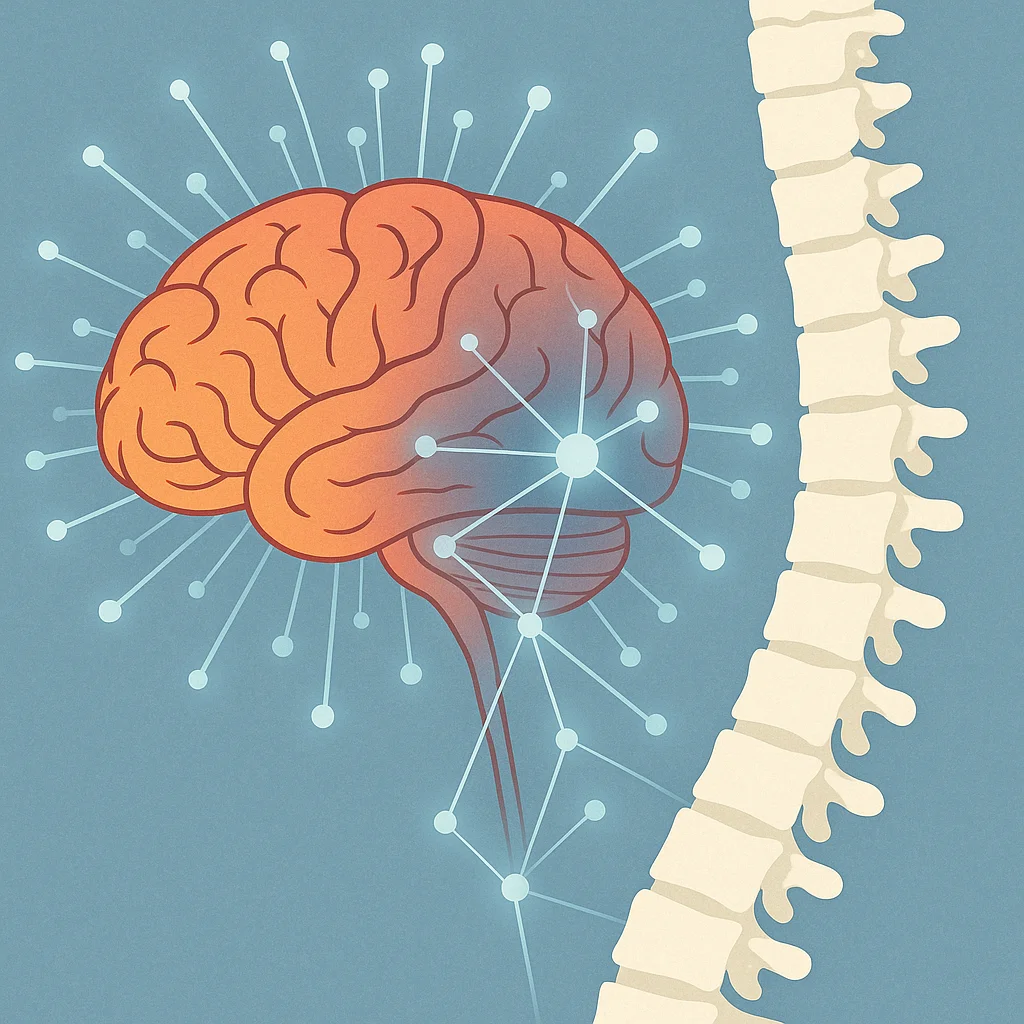
When most people think about a chiropractic adjustment, they imagine a quick “crack” to relieve back or neck pain. While adjustments can relieve pain and improve mobility, research is showing that their effects go far deeper—reaching into how your brain and nervous system communicate with the rest of your body. Let’s break it down: The Nervous System: Your Body’s Command Center Your nervous system includes your brain, spinal cord, and all the nerves branching out to your limbs and organs. It controls everything from your movements to how you feel pain, balance, and even how well your muscles fire during activity. When your spine isn’t moving properly—or certain joints are restricted—it can interfere with the signals traveling between your brain and body. This is where chiropractic care comes in. What Does a Chiropractic Adjustment Do? A chiropractic adjustment helps restore proper movement in the spine or joints. But beyond simply improving range of motion, it also sends powerful signals to your nervous system. Think of it as “rebooting” certain pathways that may not be functioning optimally. Adjustments and the Brain-Body Connection Recent studies using tools like EEG (electroencephalography) and EMG (electromyography) have shown that spinal adjustments can lead to changes in how the brain processes sensory and motor information. Here’s what that means: Improved Brain Processing: One study found that after a spinal adjustment, the brain becomes better at integrating and responding to sensory input (like balance, movement, and coordination). This may explain why many patients report feeling more “connected” or “grounded” after treatment. Enhanced Muscle Control: Another study found that after just one spinal adjustment, there was increased muscle activation in the legs. This suggests adjustments may help your body recruit muscles more efficiently, which can benefit performance, stability, and even reduce injury risk. Refined Motor Planning: Your brain doesn’t just react—it also plans how your body will move. Chiropractic adjustments appear to influence this planning stage, helping fine-tune motor control before a movement even happens. So, Why Does This Matter? If you’ve ever thought of chiropractic care as just about pain relief or posture, think again. The adjustment is not just mechanical—it’s neurological. Every time your chiropractor adjusts your spine, they may be helping your brain process movement, balance, and coordination more effectively. These subtle changes in the nervous system could be why so many people report feeling clearer, more mobile, and more balanced after care. A Ripple Effect Throughout the Body Think of your nervous system like a Wi-Fi network. If your spine isn’t moving well, it’s like having a poor signal. A chiropractic adjustment can boost that signal—not just to relieve pain, but to enhance the entire way your body communicates and moves. In short, chiropractic care isn’t only about treating symptoms. It’s about optimizing how your brain and body work together. For more information, you can book a free consultation or schedule an appointment with us by clicking the buttons down below 👇 Book a Free Consultation Book an Appointment References: Haavik H, Niazi IK, Holt K, et al. (2021). The Impact of Spinal Manipulation on Cortical Drive to Upper and Lower Limb Muscles. Brain Sciences, 11(1), 12. https://pubmed.ncbi.nlm.nih.gov/33466707/ Haavik H, Kumari N, Holt K, et al. (2021). The Effects of a Single Session of Spinal Manipulation on Strength and Cortical Drive in Athletes. Brain Sciences, 11(6), 773. https://pubmed.ncbi.nlm.nih.gov/34164712/ Haavik H, Murphy B. (2012). Translating basic science into practice: what are the potential effects of spinal manipulation on the brain? Chiropractic & Manual Therapies, 20, 19. https://pubmed.ncbi.nlm.nih.gov/22483612/
How Chiropractic Care Can Help Relieve Sciatica

If you’ve ever experienced sciatica, you know how disruptive it can be. That sharp, shooting pain that radiates from your lower back down your leg can interfere with everything from sitting comfortably to enjoying your daily activities. . The good news? Chiropractic care offers a safe, non-invasive way to help manage and relieve sciatica pain. What Is Sciatica? Sciatica refers to irritation or compression of the sciatic nerve—the largest nerve in your body. Symptoms include lower back pain, numbness, tingling, or weakness that travels into the buttock and leg. It usually affects one side and may be triggered by a herniated disc, spinal misalignment, muscle tension (especially in the piriformis), or narrowing of the spinal canal (spinal stenosis). How Can Chiropractic Help? Chiropractors are trained to assess and treat the musculoskeletal system, including conditions like sciatica. After a thorough assessment, a chiropractor can develop a personalized care plan to manage symptoms and prevent then from returning. Depending on the cause, there are various ways a chiropractor can treat and manage sciatic-type symptoms: Spinal Adjustments:Gentle, controlled spinal manipulations help improve alignment, reduce pressure on the sciatic nerve, and restore proper joint movement. This can alleviate pain and improve mobility. Soft Tissue Therapy:Techniques like myofascial release, trigger point therapy, or cupping can target tight muscles or fascia that may be contributing to nerve irritation, especially in the gluteal region. Acupuncture and Modalities:Some chiropractors use adjunct therapies such as acupuncture or therapeutic laser therapy to reduce inflammation, promote healing, and improve circulation in affected areas. Movement & Rehabilitation:Chiropractors often prescribe specific exercises to stretch tight muscles, strengthen weak muscles and/or take pressure off an aggravated disc – which can help to reduce pain and the risk of future flare-ups. Education & Ergonomics:Identifying and correcting aggravating postures or activities —like prolonged sitting or poor lifting technique—can make a big difference in recovery and long-term prevention. When to Seek Help If your sciatic pain persists for more than a few days, worsens with activity, or is accompanied by weakness or numbness, it’s a good idea to seek professional care. Chiropractic can be a highly effective conservative option, and in some cases, may prevent the need for medication or surgery. The Bottom Line Chiropractic care offers a holistic and hands-on approach to managing sciatica pain. Through spinal adjustments, soft tissue therapy, movement education, and targeted rehab, chiropractors aim not just to relieve your current pain—but to help you move better and feel better for the long term. For more information, you can book a free consultation or schedule an appointment with us by clicking the buttons down below 👇 Book a Free Consultation Book an Appointment
Chiropractic Care During Pregnancy: Enhancing Comfort and Supporting a Healthy Journey

Pregnancy is a transformative time, bringing many physical changes. As the body adapts to support a growing baby, many expectant mothers experience discomforts such as back pain, pelvic pressure, and joint stiffness. Chiropractic care offers a non-invasive, drug-free approach to alleviate these discomforts and promote overall well-being during pregnancy. Benefits of Prenatal Chiropractic Care Alleviation of Back and Pelvic Pain – As pregnancy progresses, hormonal changes and a shifting center of gravity can lead to spinal strain and misalignments, resulting in lower back and pelvic pain. Chiropractic adjustments can help balance the spine and pelvis, reducing discomfort and improving mobility. Optimal Fetal Positioning – Proper pelvic alignment is crucial for the baby’s positioning in the womb. Chiropractic care can help maintain pelvic balance, potentially reducing the risk of a breeched presentation and facilitating a smoother delivery. Enhanced Nervous System Function – The nervous system plays a vital role in overall health. Chiropractic care supports nervous system function by addressing spinal misalignments, which can improve sleep quality, digestion, and energy levels during pregnancy. Safety Considerations Chiropractic care is generally considered safe during pregnancy when performed by a practitioner trained in prenatal techniques. These professionals use specialized methods to accommodate the anatomical changes of pregnancy, ensuring comfort and safety for both mother and baby. Conclusion Incorporating chiropractic care into prenatal health routines can offer significant benefits, from pain relief to improved overall wellness. As always, it’s essential to consult with your healthcare provider before beginning any new treatment during pregnancy. With the right support, chiropractic care can be a valuable component of a healthy, comfortable pregnancy journey. References Links: https://chiropractic.ca/chiropractic-care-for-pregnant-patients/ https://www.henryford.com/blog/2020/11/how-chiropractic-care-can-promote-healthy-pregnancy https://www.healthline.com/health/pregnancy/chiropractor-while-pregnant
Stay Active and Injury-Free: 8 Summer Fitness Tips for a Healthy Back
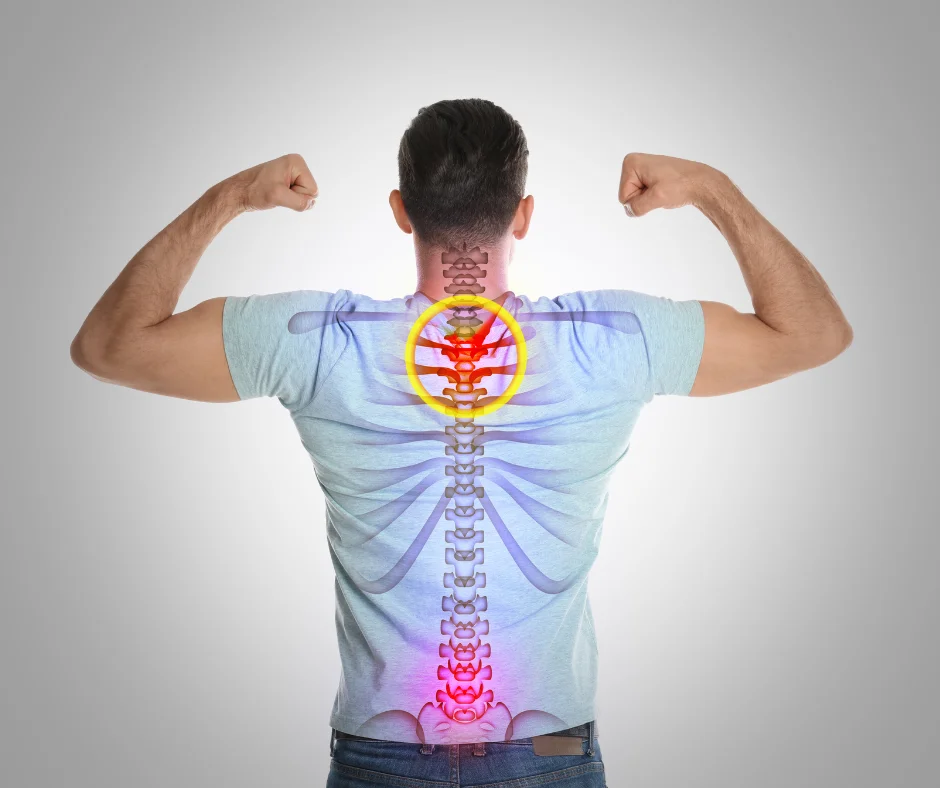
Summer is the perfect time to embrace outdoor activities—whether it’s gardening, golfing, running, or simply enjoying nature. These pursuits not only boost your mood but also enhance mobility, strengthen bones, and alleviate stress. However, it’s essential to approach them mindfully to prevent back injuries and ensure long-term wellness. Here are eight expert-backed tips to keep your back healthy and your body thriving this summer: 1. Start with a Gentle Warm-Up Before diving into any activity, take a few minutes to prepare your body. A brisk 5-minute walk followed by dynamic stretches can increase blood flow and loosen muscles, reducing the risk of injury. For instance, if you’re heading out for a run, incorporate leg swings and hip circles to activate key muscle groups. 2. Master Proper Techniques Using the correct form is crucial to prevent injuries. Gardeners should opt for kneeling instead of bending when planting. Golfers might benefit from professional lessons to refine their swing and avoid repetitive strain. Remember, quality trumps quantity—prioritize proper technique over extended durations. 3. Enhance Mobility and Flexibility Regular stretching and mobility exercises can significantly improve your range of motion. Incorporate routines that target major muscle groups, such as yoga or Pilates, to maintain flexibility. For example, runners should focus on calf and hamstring stretches to support optimal performance. 4. Stay Hydrated Hydration is key, especially during warmer months. Drink water before, during, and after physical activities. Dehydration can lead to muscle cramps, decreased coordination, and increased risk of injury. Consider carrying a reusable water bottle to ensure consistent intake. 5. Pace Yourself Avoid the temptation to overexert, especially if you’re returning to an activity after a hiatus. Break tasks into manageable segments—for instance, tackle gardening in 30-minute intervals with short breaks in between. This approach helps prevent fatigue and reduces strain on your back. 6. Cool Down Properly After completing your activity, dedicate time to cool down. Engage in gentle stretches and deep breathing exercises to help your body transition to a resting state. This practice aids in muscle recovery and reduces post-activity stiffness. 7. Dress Appropriately Wearing the right gear can make a significant difference. Choose supportive footwear that aligns with your activity—running shoes for jogging, sturdy boots for hiking, etc. Additionally, opt for breathable, moisture-wicking clothing to stay comfortable and prevent overheating. 8. Listen to Your Body Pay attention to any signs of discomfort or fatigue. Persistent pain is a signal to rest and, if necessary, consult a healthcare professional. Chiropractors can assess musculoskeletal issues and provide guidance on safe activity modifications. Bonus Tip: Incorporate Strength Training Building core strength supports spinal health and enhances overall stability. Integrate exercises like planks, bridges, and resistance band workouts into your routine to fortify your back and prevent injuries. Final Thoughts Embracing an active lifestyle during summer is both enjoyable and beneficial for your health. By following these tips, you can maximize the season’s offerings while safeguarding your body. Remember, consistency and mindfulness are key—prioritize proper techniques, stay hydrated, and listen to your body’s cues. For personalized advice and support, consider consulting with a chiropractor. They can provide tailored recommendations to help you stay active and pain-free throughout the summer. Stay safe and enjoy your summer adventures! Retrieved from https://chiropractic.on.ca/