

If you've ever visited a chiropractor, you likely went seeking relief from back pain, neck stiffness, or headaches. But what if your adjustment could do more than ease physical discomfort?
What if it could also calm your racing mind, reduce anxiety, and help you sleep better at night?
This isn't wishful thinking—it's neuroscience. The key lies in understanding a remarkable nerve that connects your brain to nearly every major organ in your body: the vagus nerve.
Recent research reveals that chiropractic adjustments, particularly those targeting the upper cervical spine, can directly influence vagal tone and, by extension, your mental health.
For Toronto professionals juggling demanding careers, long commutes, and the constant pressure to perform, this mind-body connection offers a compelling reason to reconsider what chiropractic care can do for overall wellness.

What Is the Vagus Nerve and Why Does It Matter?
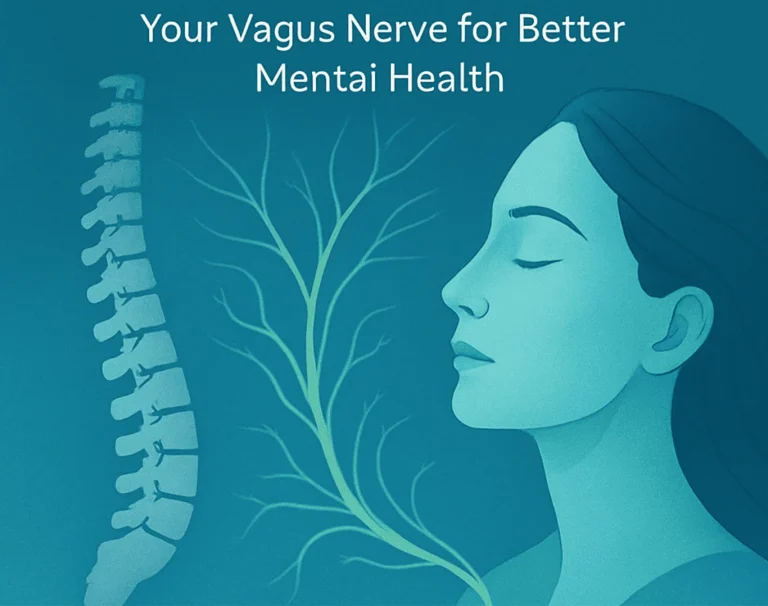
The vagus nerve is the longest cranial nerve in your body, running from your brainstem down through your neck and into your chest and abdomen. Think of it as your body’s major highway for communication between your brain and your vital organs—including your heart, lungs, and digestive system.
But the vagus nerve does far more than relay messages. It’s the primary component of your parasympathetic nervous system, often called the “rest and digest” system. When your vagus nerve is functioning optimally, it acts like a brake pedal on your stress response, helping you shift from fight-or-flight mode into a state of calm and recovery.
Scientists measure vagal function through something called vagal tone. Higher vagal tone correlates with better emotional regulation, reduced inflammation, improved heart rate variability, and greater resilience to stress. Conversely, low vagal tone is associated with anxiety, depression, chronic inflammation, and digestive issues.
The Neck-Nerve Connection: Where Chiropractic Comes In
Here’s where things get interesting for anyone seeking natural approaches to mental health. The vagus nerve exits your skull and travels down through the upper cervical spine—specifically near the atlas and axis vertebrae at the base of your skull. This anatomical relationship means that misalignments, tension, or dysfunction in this area can directly impact vagal nerve function.
Chiropractors are uniquely trained to identify and correct these upper cervical misalignments through precise, gentle adjustments. When the spine is properly aligned and moving freely, it can reduce mechanical stress on the vagus nerve and surrounding tissues, potentially improving vagal tone and function.
Research published in peer-reviewed journals has begun documenting these effects. Studies show that chiropractic adjustments can influence heart rate variability—a key marker of vagal tone—and reduce markers of stress in the body. While more research is needed, the preliminary findings suggest that spinal health and nervous system regulation are intimately connected.
How Vagal Activation Affects Your Mental Health
Understanding the vagus nerve helps explain why some chiropractic patients report feeling calmer, sleeping better, or experiencing reduced anxiety after their adjustments—even when they originally came in for neck pain or headaches.
When the vagus nerve is activated and functioning well, several beneficial processes occur. Your heart rate variability improves, which is associated with better emotional regulation and stress resilience. Your body’s inflammatory response becomes better regulated, reducing the chronic low-grade inflammation linked to depression and anxiety disorders. Digestive function improves, which matters because gut health and mental health are closely connected through the gut-brain axis. Your body shifts more easily into parasympathetic mode, allowing for deeper relaxation and better sleep quality.
For busy professionals experiencing burnout, these effects can be transformative. The constant activation of your sympathetic nervous system—the fight-or-flight response—takes a serious toll. Traffic jams, back-to-back meetings, email notifications, and deadline pressure all trigger this stress response. Over time, your nervous system can get stuck in high-alert mode, making it difficult to truly relax even when you have downtime.
Chiropractic care that supports vagal function offers a way to help your nervous system find its off switch again. It’s not about eliminating stress—that’s impossible in modern life—but about improving your body’s ability to recover and return to balance.
The Upper Cervical Advantage
While all chiropractic adjustments aim to restore proper nervous system function, upper cervical adjustments deserve special attention when it comes to mental health benefits. The atlas vertebra, which sits at the very top of your spine, has a particularly close relationship with the vagus nerve and the brainstem.
Misalignments in this area can create what chiropractors call subluxations—functional disturbances that interfere with nerve communication. Because the upper cervical spine houses so many crucial neurological structures, even small misalignments here can have outsized effects on how your nervous system functions.
Upper cervical chiropractors use specialized techniques that are gentle yet precise. Rather than the traditional twisting or popping that many people associate with chiropractic care, these adjustments often involve subtle pressure or specific instrument-assisted corrections. The goal is to restore optimal alignment and movement without creating additional stress on the tissues.
Beyond Adjustments: Supporting Your Vagus Nerve
While chiropractic care can be a powerful tool for improving vagal tone, it works best as part of a comprehensive approach to nervous system health. There are several complementary practices that can further support vagal function.
Deep diaphragmatic breathing activates the vagus nerve directly. Taking slow, deep breaths that expand your belly rather than your chest stimulates vagal pathways and triggers the relaxation response. Cold exposure, such as splashing cold water on your face or taking brief cold showers, can also stimulate the vagus nerve and improve its tone over time.
Humming, singing, or chanting creates vibrations in your throat that mechanically stimulate the vagus nerve. This is one reason why people often report feeling calmer after singing or meditation practices that involve vocalization. Social connection and laughter also activate vagal pathways, highlighting the importance of community and joy for nervous system health.
Movement practices like yoga combine breathwork, gentle spinal movement, and stress reduction—all of which support vagal function. When paired with regular chiropractic care, these practices create a synergistic effect that can significantly improve your stress resilience.
What to Expect: The Patient Experience
If you’re considering chiropractic care specifically for mental health support, it’s important to have realistic expectations. While some people notice immediate changes in their stress levels or sleep quality after an adjustment, others experience more gradual improvements over weeks of consistent care.
During your initial consultation, a chiropractor will take a comprehensive health history that includes questions about your stress levels, sleep quality, digestive health, and emotional wellbeing—not just your physical pain. This holistic assessment helps identify how nervous system dysfunction might be contributing to multiple areas of your health.
The adjustment process itself is typically gentle and brief. Upper cervical adjustments may involve lying on your side while the chiropractor applies precise pressure to specific points, or they may use specialized instruments that deliver controlled impulses to the vertebrae. Many patients report feeling immediately more relaxed after an adjustment, though some experience temporary soreness as their body adapts to improved alignment.
The key to seeing mental health benefits is consistency. Just as you wouldn’t expect one workout to transform your fitness, one adjustment isn’t likely to completely rewire your stress response. Most people benefit from an initial phase of more frequent care—perhaps once or twice weekly—followed by maintenance visits to preserve the benefits achieved.
The Toronto Professional's Advantage
For those living and working in Toronto’s fast-paced urban environment, the vagus nerve connection offers particular relevance. The demands of professional life in this city—long TTC commutes, high-pressure corporate cultures, and the constant connectivity of modern work—create perfect conditions for chronic stress and vagal dysfunction.
Integrating chiropractic care into your wellness routine doesn’t require massive time commitments. A twenty-minute adjustment appointment can fit into a lunch break or be scheduled before or after work. Many downtown Toronto chiropractic offices, including practices in the King West area, cater specifically to busy professionals and offer flexible scheduling.
The return on investment extends beyond just feeling better. Improved stress resilience, better sleep, and enhanced emotional regulation translate directly into better work performance, clearer decision-making, and greater overall life satisfaction. When you’re not constantly operating in fight-or-flight mode, you have more mental energy for creative thinking, problem-solving, and maintaining the relationships that matter most.
The Science Continues to Evolve
While the connection between chiropractic care and mental health through vagal mechanisms is gaining recognition, it’s important to acknowledge that research in this area is still developing. The nervous system is extraordinarily complex, and we’re continually discovering new pathways and connections.
What we know with certainty is that your spine and nervous system are intimately connected, that the vagus nerve plays a crucial role in stress regulation and mental health, and that chiropractic adjustments can influence nervous system function in measurable ways. As research continues, we’ll likely gain even more insight into these mechanisms and how to optimize them for mental wellness.
A Holistic Approach to Mental Health
Chiropractic care for vagal activation and mental health support should never replace professional mental health treatment when it’s needed. If you’re struggling with depression, anxiety disorders, or other mental health challenges, working with a qualified therapist or psychiatrist remains essential.
However, chiropractic care can be a valuable complement to traditional mental health treatment. By addressing the physical component of nervous system regulation, it offers an additional tool for managing stress, improving resilience, and supporting overall wellbeing. Many patients find that combining chiropractic care with therapy, appropriate medication when necessary, lifestyle modifications, and stress management techniques creates the most comprehensive approach to mental wellness.
The beauty of this perspective is that it recognizes what many people instinctively understand: your mind and body aren’t separate entities. They’re interconnected systems that constantly influence each other. When you support one, you support the other.
Taking the Next Step
If you’ve been seeking natural approaches to manage stress, improve your mental clarity, or simply feel more balanced in your daily life, exploring the vagus nerve connection through chiropractic care might offer the support you’re looking for. It’s an evidence-informed approach that addresses the root cause of nervous system dysregulation rather than just masking symptoms.
For Toronto residents, particularly those in the King West, Financial District, and surrounding neighborhoods, finding a chiropractor who understands this mind-body connection can be the first step toward a more comprehensive approach to wellness. Look for practitioners who take time to understand your whole health picture and who can explain how their care supports not just your spine, but your entire nervous system.
Your vagus nerve has been working behind the scenes your entire life, regulating countless processes that keep you healthy and balanced. Now that you understand its role, you can make informed choices about supporting its function—and by extension, supporting your mental health, stress resilience, and overall quality of life. Sometimes the path to feeling better mentally starts with taking care of your spine.
Dr. Erin Madonia has been providing chiropractic care to the King West neighbourhood since 2014, specializing in safe and effective relief of spinal complaints while optimizing central nervous system function. To learn more or schedule an appointment, contact us at dr.erin.madonia@gmail.com or visit our office at 130 Spadina Ave, Suite 808, Toronto.