

Headaches are one of the most common health complaints worldwide. For some people, they’re an occasional inconvenience. For others, they interfere with work, sleep, exercise, and everyday life. While medications can provide temporary relief, many people also look for complementary approaches that address underlying tension, posture, stress, and musculoskeletal dysfunction.
Two commonly explored non-pharmaceutical options are chiropractic care and acupuncture. Both approaches aim to reduce pain, improve function, and support the body’s natural healing processes — though they do so in different ways.
Here’s a closer look at the most common types of headaches and how these therapies may play a role in treatment
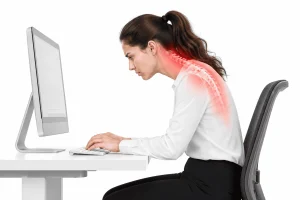
Types of Headaches
1. Tension Headaches
Tension headaches are the most common type of headache. They’re often described as a dull, aching pressure or tight band around the forehead, temples, or back of the head.
Common Causes
- Stress and anxiety
- Poor posture
- Muscle tension in the neck and shoulders
- Long hours at a computer
- Jaw clenching or teeth grinding
- Sleep disturbances
Symptoms
- Mild to moderate pain
- Tightness or pressure
- Tender scalp or neck muscles
- Pain on both sides of the head
How Chiropractic Care May Help
Chiropractic treatment for tension headaches often focuses on improving spinal mobility and reducing muscle tension, particularly in the cervical spine (neck). Poor posture and restricted neck joints can contribute to ongoing strain and irritation.
A chiropractor may use:
- Spinal adjustments
- Soft tissue therapy
- Postural correction strategies
- Ergonomic recommendations
- Stretching and strengthening exercises
Some patients report fewer headache episodes and reduced intensity after improving neck function and posture.
How Acupuncture May Help
Acupuncture is commonly used to reduce muscle tension and calm the nervous system. Thin needles are inserted into specific points in the body to encourage circulation and relaxation.
For tension headaches, acupuncture may help:
- Reduce stress-related muscle tightness
- Promote relaxation
- Improve sleep quality
- Decrease headache frequency
Many people find acupuncture especially beneficial when stress is a major trigger.

2. Migraines
Migraines are more than “bad headaches.” They are a neurological condition that can significantly affect quality of life.
Common Triggers
- Hormonal changes
- Stress
- Certain foods or alcohol
- Sleep disruption
- Bright lights or strong smells
- Weather changes
Symptoms
- Moderate to severe throbbing pain
- Usually one-sided
- Nausea or vomiting
- Sensitivity to light and sound
- Visual disturbances (aura)
How Chiropractic Care May Help
While chiropractic care is not considered a cure for migraines, some individuals experience improvement when contributing musculoskeletal issues are addressed.
Treatment may focus on:
- Neck mobility
- Muscle tension reduction
- Postural balance
- Trigger identification
Patients who experience migraines alongside neck stiffness or tension may notice reduced mechanical stress after treatment.
How Acupuncture May Help
Acupuncture is one of the more widely researched complementary therapies for migraines. Some studies suggest it may help decrease the frequency and intensity of migraine attacks for certain individuals.
Potential benefits include:
- Nervous system regulation
- Stress reduction
- Improved circulation
- Relaxation of tight muscles
Many migraine sufferers use acupuncture as part of a broader management plan that may also include nutrition, sleep regulation, hydration, and medical care.

3. Cervicogenic Headaches
Cervicogenic headaches originate from dysfunction in the neck structures — including joints, muscles, and nerves.
Common Causes
- Whiplash injuries
- Poor posture
- Neck arthritis
- Muscle imbalance
- Repetitive strain
Symptoms
- Pain that starts in the neck
- Reduced neck range of motion
- Headache on one side
- Pain that worsens with neck movement
- Shoulder or arm discomfort
How Chiropractic Care May Help
This is one of the headache types most commonly associated with chiropractic treatment because the source of the pain often involves spinal and muscular dysfunction.
A chiropractor may use:
- Cervical spinal adjustments
- Joint mobilization
- Soft tissue therapy
- Corrective exercises
The goal is to improve neck mechanics and reduce irritation contributing to the headache.
How Acupuncture May Help
Acupuncture may complement chiropractic care by targeting muscular tightness and inflammation around the neck and shoulders.
It may help:
- Relax overactive muscles
- Reduce pain sensitivity
- Improve circulation
- Support recovery after injury
Some patients choose to combine both therapies for a more comprehensive approach.
4. Cluster Headaches
Cluster headaches are less common but extremely painful. They occur in cyclical patterns or “clusters.”
Symptoms
- Severe burning or piercing pain
- Usually around one eye
- Eye tearing or redness
- Nasal congestion
- Restlessness during attacks
Important Note
Cluster headaches require medical evaluation. They are often managed with prescription medications and neurological care.
Role of Chiropractic and Acupuncture
Evidence for chiropractic treatment in cluster headaches is limited, but some individuals seek supportive care for associated neck tension or stress.
Acupuncture may help some patients manage:
- Stress
- Muscle tension
- Overall pain coping strategies
However, these therapies should complement — not replace — medical management for cluster headaches.
5. Sinus Headaches
Sinus headaches are associated with sinus inflammation and congestion.
Symptoms
- Pressure around the eyes, cheeks, and forehead
- Facial tenderness
- Congestion
- Pain that worsens when bending forward
How Chiropractic Care May Help
Some chiropractors focus on improving drainage and reducing muscular tension around the neck and upper spine. Supportive therapies may help improve comfort, especially if neck tension develops alongside sinus pressure.
How Acupuncture May Help
Acupuncture is often used to support sinus-related symptoms by encouraging circulation and reducing inflammation.
Patients may report:
- Reduced facial pressure
- Improved nasal drainage
- Better breathing comfort

The Importance of a Proper Diagnosis
Not every headache is benign. Frequent or severe headaches should always be evaluated by a healthcare professional, especially if they involve:
- Sudden severe pain
- Neurological symptoms
- Vision loss
- Weakness or numbness
- Fever
- Confusion
- Headaches after trauma
A proper diagnosis helps determine whether chiropractic care, acupuncture, medication, physical therapy, or another treatment approach is most appropriate.
Can Chiropractic and Acupuncture Work Together?
In many cases, yes. Chiropractic care and acupuncture are often used together because they target different aspects of headache pain.

Chiropractic Care Often Focuses On:
- Joint movement
- Posture
- Biomechanics
- Muscle imbalance
Acupuncture Often Focuses On:
- Nervous system regulation
- Relaxation
- Pain modulation
- Energy flow and circulation
Together, they may provide a more comprehensive strategy for managing chronic headache patterns.
Lifestyle Habits That Can Help Reduce Headaches
In addition to professional care, daily habits play a major role in headache prevention.
Helpful strategies include:
- Staying hydrated
- Improving posture
- Taking breaks from screens
- Managing stress
- Exercising regularly
- Maintaining consistent sleep
- Identifying food triggers
- Stretching the neck and shoulders
Final Thoughts
Headaches can stem from many different causes, including stress, muscle tension, neurological conditions, posture problems, and inflammation. Understanding the type of headache you’re experiencing is an important first step toward effective treatment.
Chiropractic care and acupuncture may offer supportive, non-invasive options for certain headache sufferers — particularly those dealing with tension-related or neck-related headaches. When combined with proper diagnosis, healthy lifestyle habits, and medical guidance when necessary, these therapies may help many individuals reduce headache frequency and improve overall quality of life.
Dr. Erin Madonia has been providing chiropractic care to the King West neighbourhood since 2014, specializing in safe and effective relief of spinal complaints while optimizing central nervous system function. To learn more or schedule an appointment, contact us at dr.erin.madonia@gmail.com or visit our office at 130 Spadina Ave, Suite 808, Toronto.